- AJ Products IE
- Blog
- Tips & trends
- From working remotely to working in an office

From working remotely to returning to the office
Why the return to the office can feel overwhelming for young professionals
Working from home provides increased freedom but it also reduces social connections as well the sense of belonging and collaboration. Compared to sitting at home and working undisturbed, a move to the office means both a louder working environment and more interaction with coworkers. How do you make small talk with your colleagues? It can feel a little scary and unnatural for those who are only used to working remotely. But the fact is that interaction and social connection give meaning to your work life! Even though you may feel nervous, being in the office will give you the opportunity to get to know your colleagues properly. Take the opportunity to chat with colleagues at lunch or over coffee. If working from home doesn’t provide the human interaction we all crave, then being in the office certainly does.
The benefits of returning to the office for younger workers
1. Clear separation between work and home life
Belonging to the younger generation and being new to the world of work, everyday life has consisted of working remotely from home, having digital meetings and flexible working methods. It’s a way of working that is new to the older generation. This flexible way of working and the freedom it affords has its advantages, such as getting a better balance between private life and work life. However, that’s not true for everyone. For many people, working remotely makes it more difficult to separate work from private life. They find it hard to know when to switch off. It is not unusual to eat in front of the computer or send a few emails in the evening, even though the working day is over. The positive thing about working from the office is that natural breaks occur more often, such as lunch away from the desk, stepping outside for fresh air, and when you shut down the computer at the end of the day, you know the workday really is over.
2. Faster learning and better mentorship
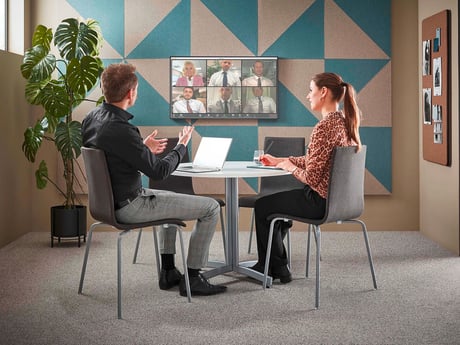
One of the biggest advantages of returning to the office, is the pace at which learning happens. When you’re physically present, you absorb things almost without trying: how colleagues solve problems, how teams brainstorm together, and how quick questions get answered before they become blockers. These moments are difficult to recreate on video calls. In shared spaces like collaboration tables or informal meeting areas, mentoring becomes a natural part of the day rather than a scheduled task. New employees can shadow experienced team members, ask spontaneous questions and build confidence in a way remote work rarely allows. Creating dedicated spaces such as well-equipped meeting rooms or relaxed project zones can further strengthen these learning opportunities and encourage healthier, more dynamic teamwork.
3. Greater sense of belonging
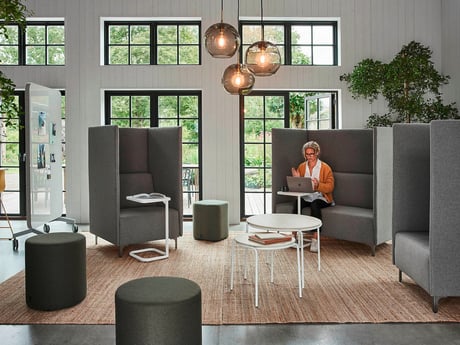
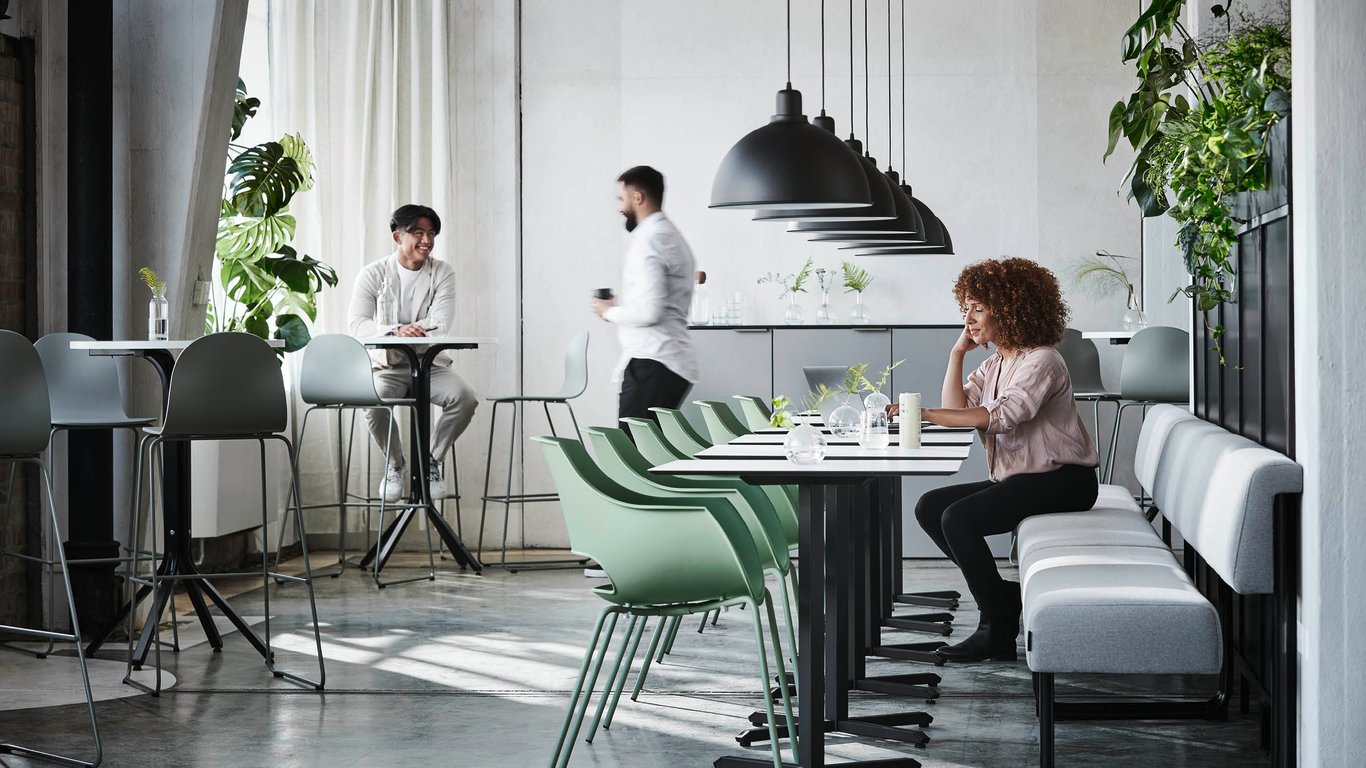
For many young workers, the return to the office isn’t only about productivity, it's also about people. Remote work can be isolating, and joining a team through a screen makes it harder to feel anchored or included. Being in the same physical space changes that. Conversations start more easily, laughs are shared without lag, and relationships grow naturally throughout the day. Comfortable social spaces, whether a cosy breakout lounge, a well-designed canteen area, or simply a welcoming corner with soft seating, help transform the workplace into a community rather than just a location. These shared environments invite conversation and make it easier for new employees to feel part of the team from day one, reinforcing the sense of identity and belonging that so many missed while working remotely.
So, there are some challenges for the younger generation. But working full time from the office still comes with lots of benefits!

How to support employees transitioning back to the office
- Encourage simple, friendly interactions. Go over to their desk and ask if they want to join you for lunch or coffee. It’s a small gesture that’s sure to be appreciated and make the workplace feel more welcoming!
- Check in regularly. Ask how they are settling in, whether they have the tools they need, or if they feel comfortable with their tasks. Small check-ins build trust quickly.
- Help them navigate the office space. Show your new colleague where key areas are and introduce them to other team members. Even small things, like explaining how to use the coffee machine and where the mugs are kept. It may sound trivial but newcomers may find it awkward to ask. Don’t let anyone go without their caffeine fix!
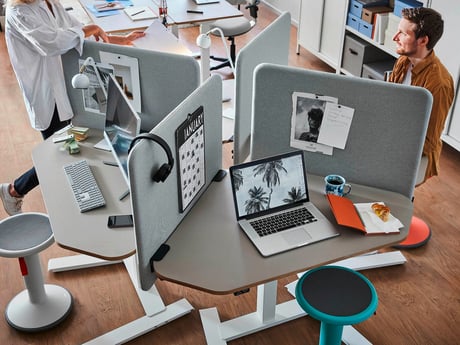
- Provide an ergonomic, comfortable workstation: If an employee’s only experience of working is from their bedroom or kitchen table, a well-designed workstation can dramatically improve comfort and productivity.
A more connected and confident return to work
Returning to the office after working remotely not only a change in location but also a shift in daily habits, communication styles and social energy. With the right support, young employees can rediscover the benefits of shared workspaces: real teamwork, true connection and a stronger sense of belonging. By designing comfortable work environments and fostering positive social culture, organisations can help new employees feel motivated and fully integrated into the workplace.