- AJ Products IE
- Blog
- Tips & trends
- Tips for Better Acoustics In The Classroom
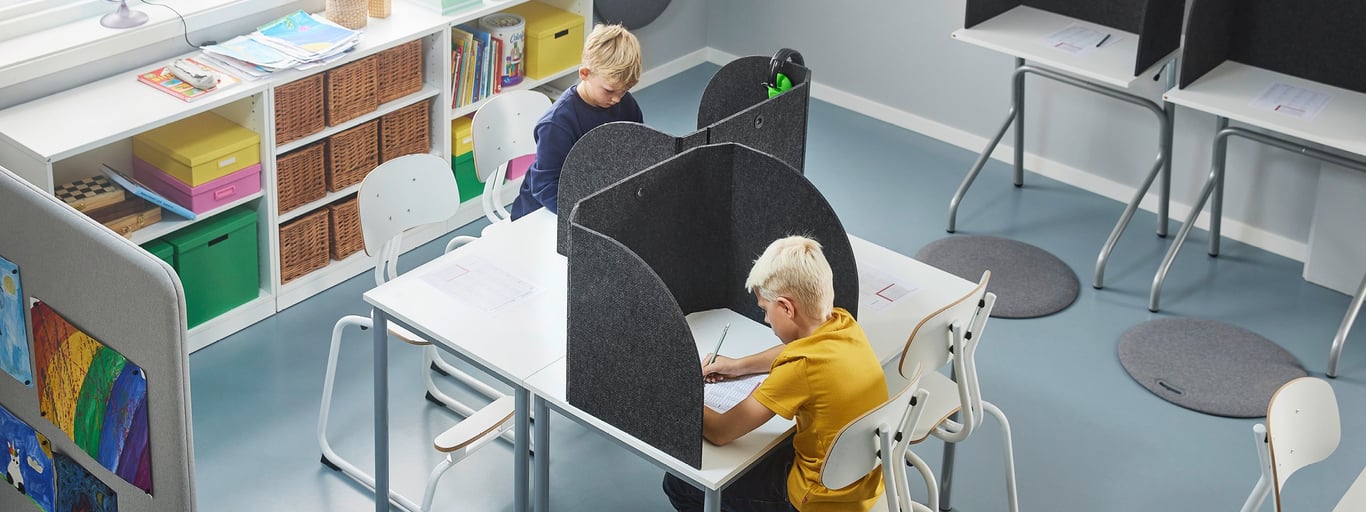
Increase concentration with sound-absorbing school furniture
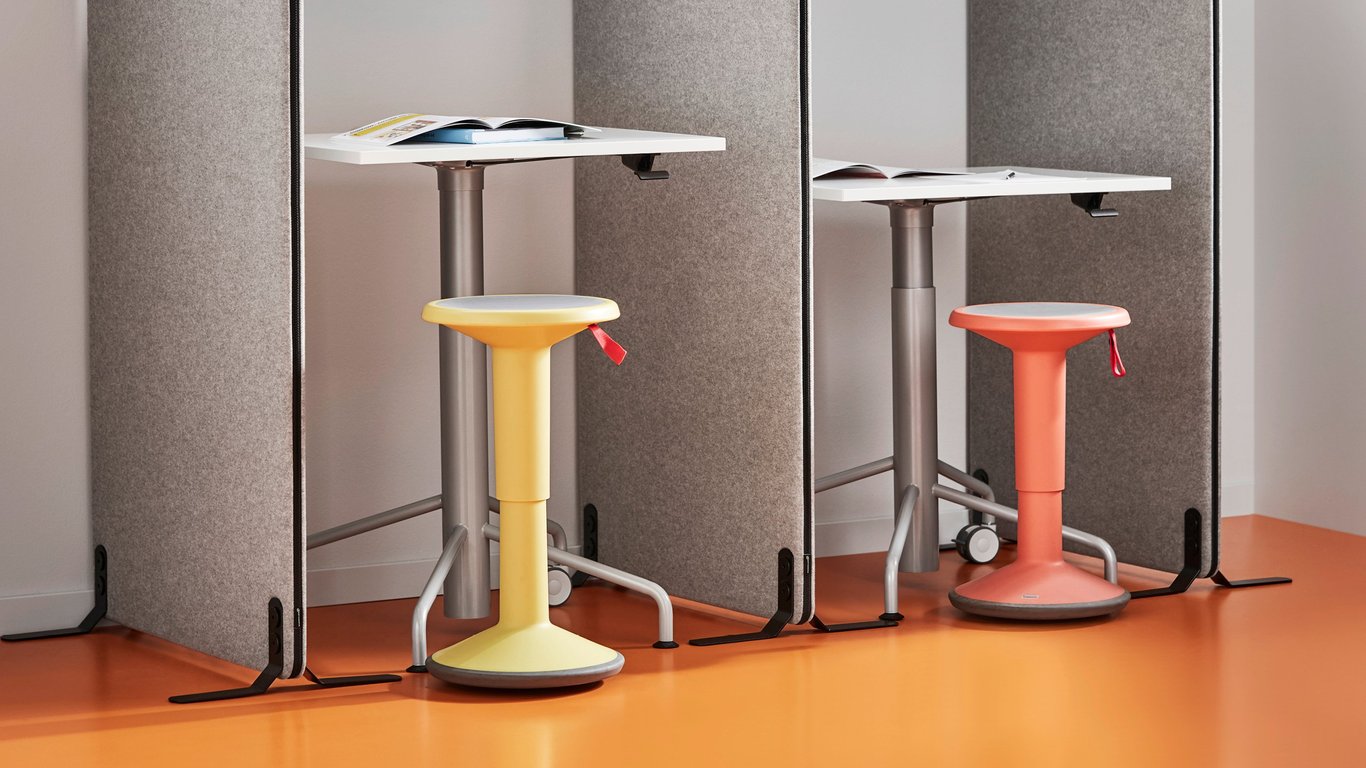
Sound-smart products are in demand
Jonas Emanuelsson, product manager of our School and Public Environment range at our HQ in Sweden, emphasizes the high demand for sound-smart products.
- Chatter in the classroom, scraping sounds from chairs and tables, noise from the corridor and more - all contribute to a messy sound environment that leads to poor concentration, which in turn makes it harder for students to learn, explains Jonas.
Excessive noise in schools affects student learning. It's crucial to minimize noise to create a calm and efficient work environment for students. Sound-absorbing furniture helps to reduce noise levels in the school and can improve the ability to concentrate. It is a simple way to create a better school environment.
Choose sound-absorbing tables and chairs
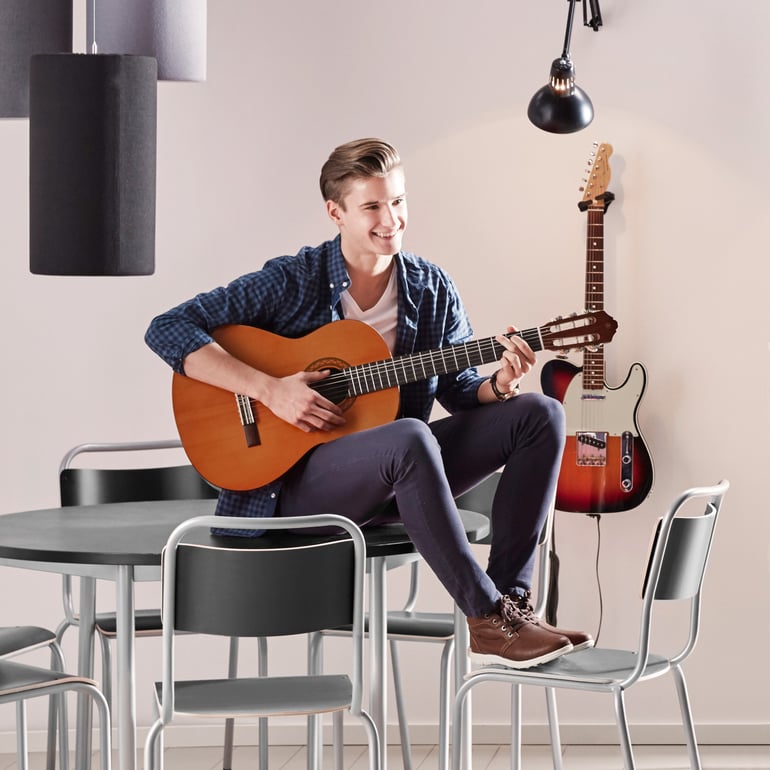
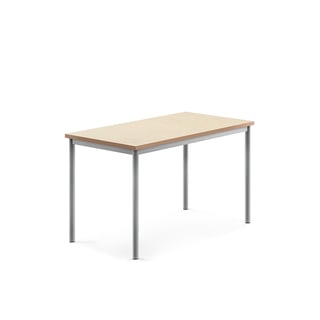
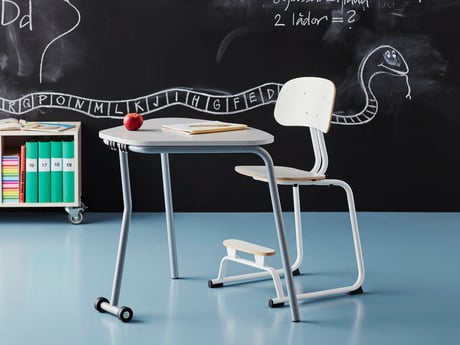
Interior design is of great importance for the sound environment in a classroom. Jonas recommends student desks with sound-absorbing tabletops because they lower the noise level and create a more pleasant work space for everyone. They are available with a hard-wearing linoleum board and with a sound-absorbing high-pressure laminate board. In addition, there are also tables with built-in sound absorbers under the bench drawer.
The design of the chairs also has a big impact.
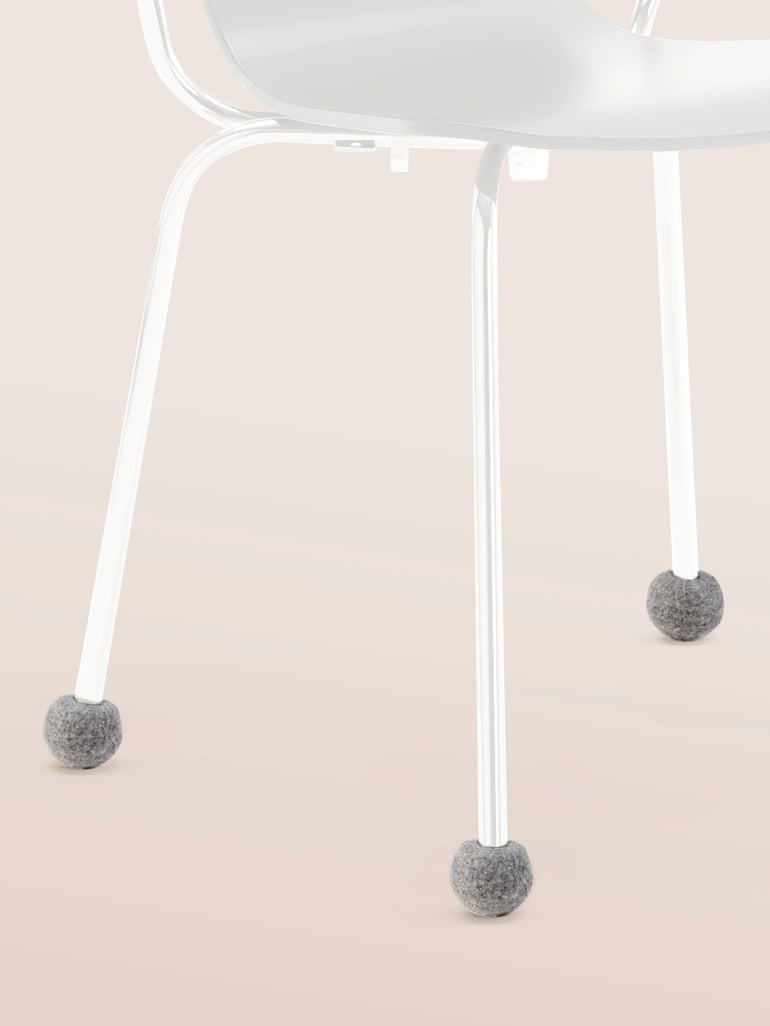
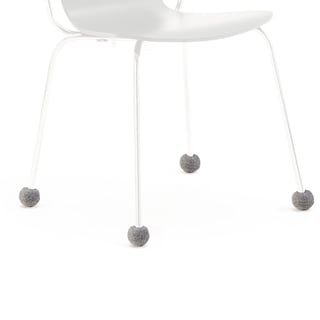
- Something as simple as putting sound-absorbing felt pads under the chairs automatically results in a quieter classroom, advises Jonas. Because the felt slides easily, disturbing scraping noises are avoided when the chairs are moved forward or backward.
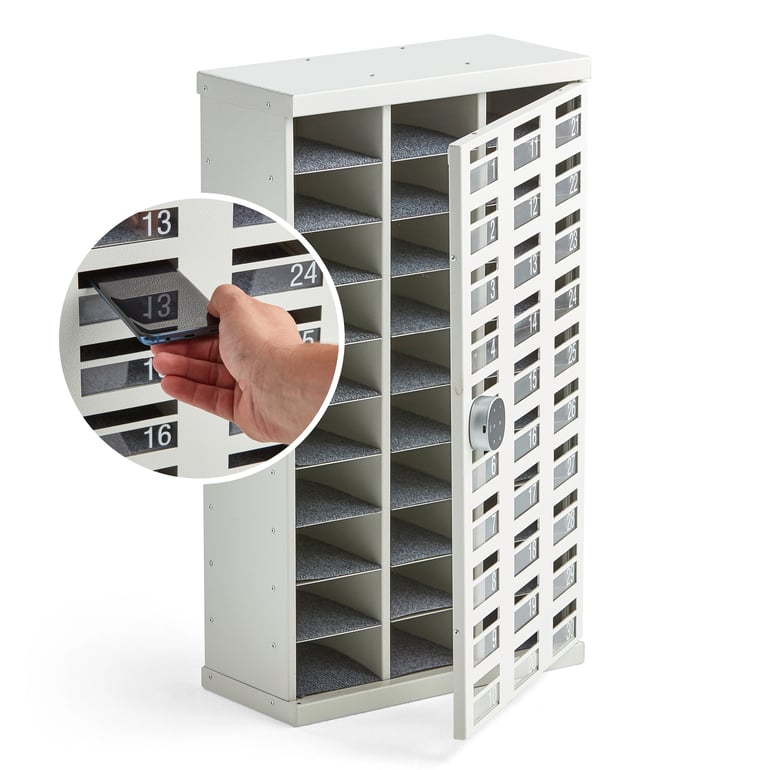
Tip: Phone lockers provide a study break at school
Another good way to contribute to undisturbed learning at school is to introduce a mobile phone ban during class time. The easiest way is to store the students' phones safely in a lockable mobile cabinet under the teacher's supervision.
You can find our phone cabinets here
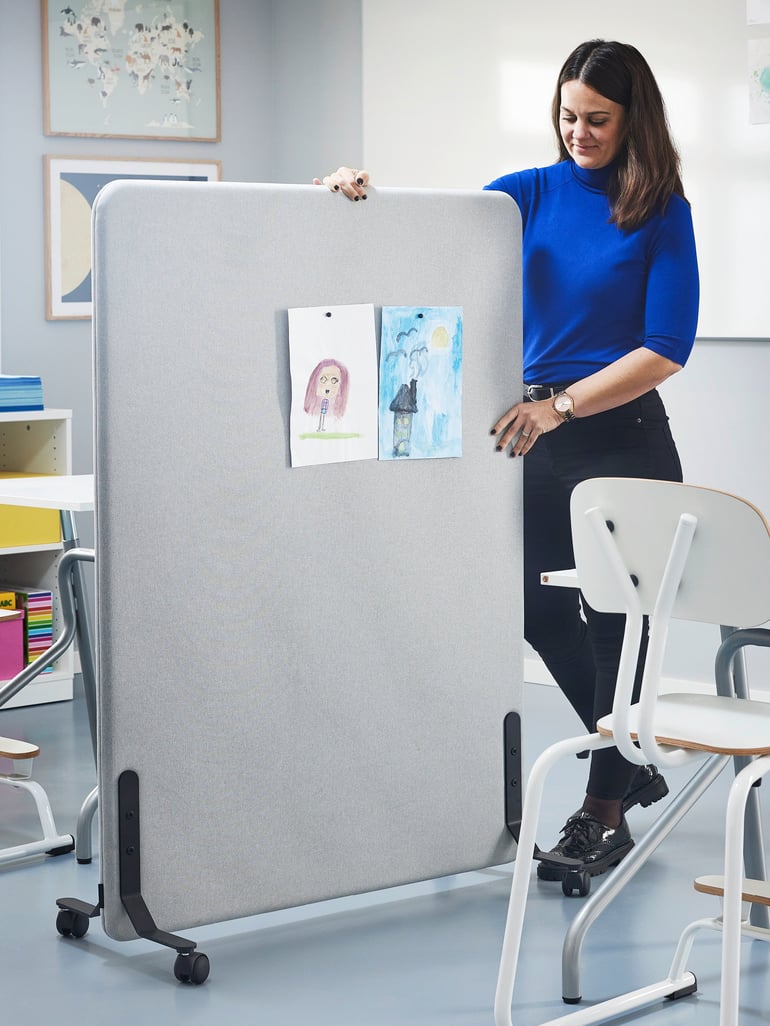
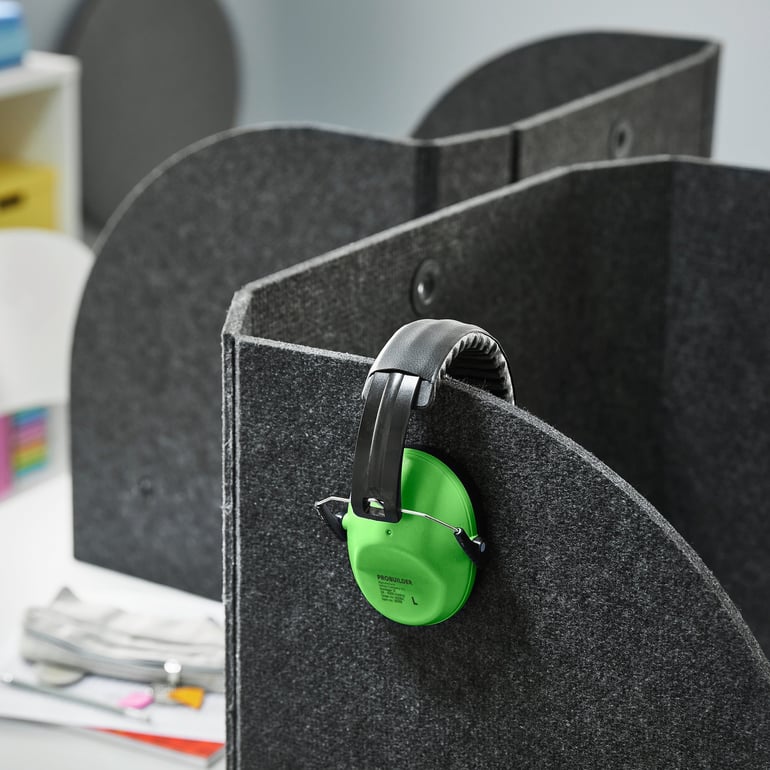
Increase concentration in the classroom
Implementing strategies to enhance classroom focus is crucial. Simple adjustments, such as partitioning the space to minimize sound interference and using sound-absorbing materials, can significantly impact concentration levels.
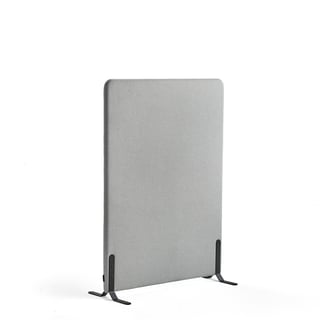
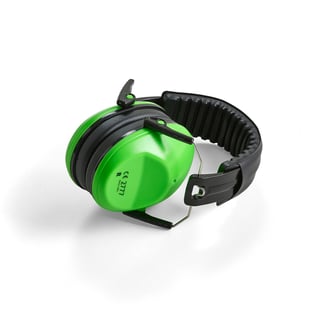
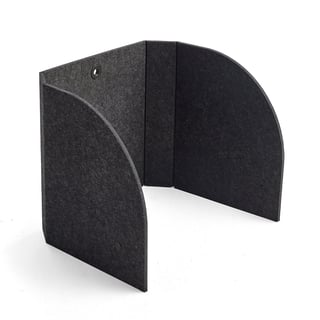
According to Jonas, incorporating furniture with sound-absorbing properties, like high-sided acoustic sofas and foldable study screens, can create private zones for focused tasks. Pairing these solutions with ear muffs can further promote a peaceful work environment.
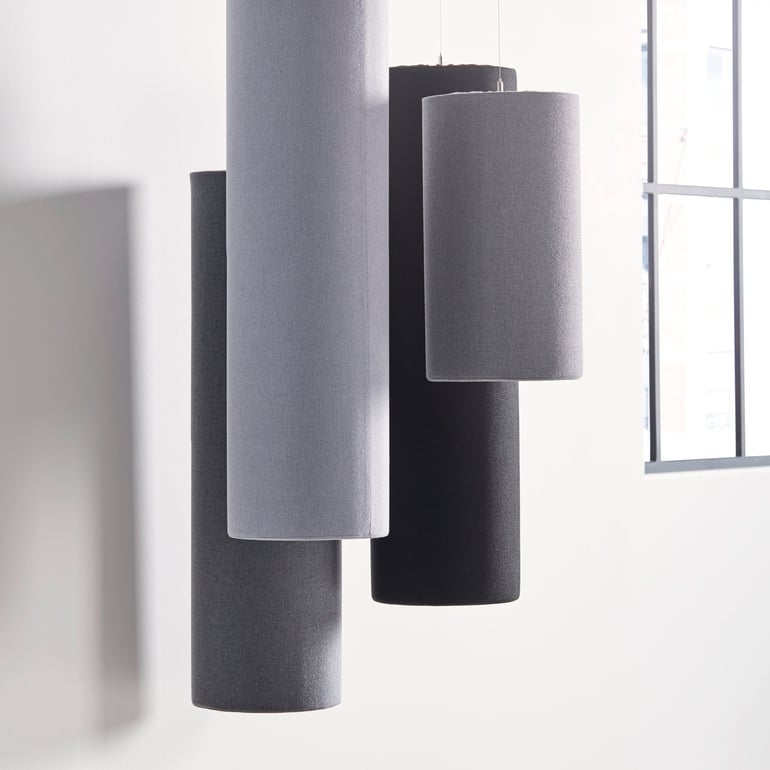
Use the floor, walls and ceiling
Using the floor, walls and ceiling of the classroom is a smart way to reduce the noise level in the school.
- All soft materials are good in terms of sound, such as carpets, curtains and textiles, says Jonas. In addition to contributing to the sound environment, matting or carpets also have the advantage of being both decorative and offering alternative seating and work surfaces for students.
Sound absorbers are available in countless designs and can be mounted both on the ceiling and on the walls. In addition to reducing noise, the wall-mounted sound absorbers can also be used as notice boards.
- Sound absorbers with playful shapes and motifs are not only good for noise levels, they also increase the comfort in the classroom and become a nice interior detail, concludes Jonas.
Some more tips...
To mitigate noise levels in educational settings, there are some simple measures you can take:
- It's essential to raise awareness among trachers and students regarding the detrimental effects of a noisy environment
- Establishing clear rules and routines has been proven to positively impact noise levels
- Organising studens into smaller groups and increasing adult supervision may be an obvious one, but it does effectively reduce noise levels!
FAQ
- A sound wave that passes through, for example, textile loses some of its energy through friction.
- Install an acoustic ceiling and wall absorbers. Attach furniture 'socks' under table and chair legs. Furnish rooms with sound-absorbing screen walls.
- For premises used for teaching, an average sound level of 30 dBA and a maximum sound level of 45 dBA is recommended in the Public Health Agency's regulation "General advice on indoor noise".
- Thick carpets and curtains dampen sound. Feel free to use textiles that are made to absorb sound waves.
- Poor acoustics means that students' working memory has to be used to hear what the teacher is saying instead of focusing on the information. When the memory is strained, it becomes more difficult to recall what you're hearing.
- Acoustics or Sound Environment is a term used to describe the experience of all sounds occurring in a certain location, including exposure time, reverberation time, frequency, background noise and type of sound.
- If you are exposed to a sound level higher than about 85 dB for long periods, you risk hearing damage.
Popular products for schools and classrooms
Need help? Ask our interior experts!
We at AJ Products are always available to help you with solutions suited just for your business. Contact us if you have questions on the choice of fabric, need some inspiration or want to know the alternatives that would best suit your premises. We can then tell you more about your choices.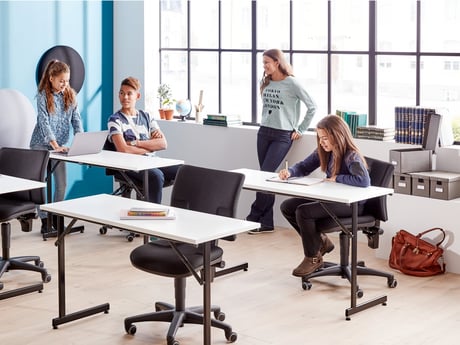

Get the latest product launches and offers sent direct to your inbox
Do you want to receive exclusive offers, information about new products and inspiration on how you can improve your workplace? Sign up for our free newsletter and be the first to receive our best offers.*By clicking subscribe, I confirm that I have read the privacy policy.