Excl. VAT
Standing desks installation freeFree delivery over €500 (ex VAT)7 year warranty

Hidden costs in the office - how cheap workspaces can cost more
Many businesses know exactly how much new office furniture costs. Far fewer consider the impact of a workspace that causes disruption, affects productivity and ultimately costs the business more in the long run.
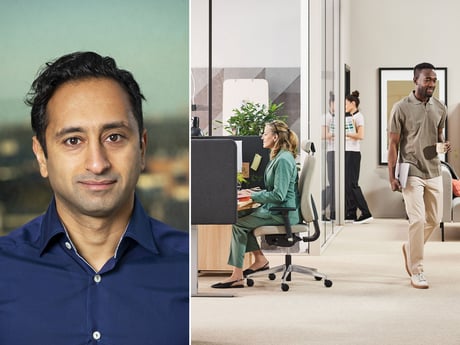
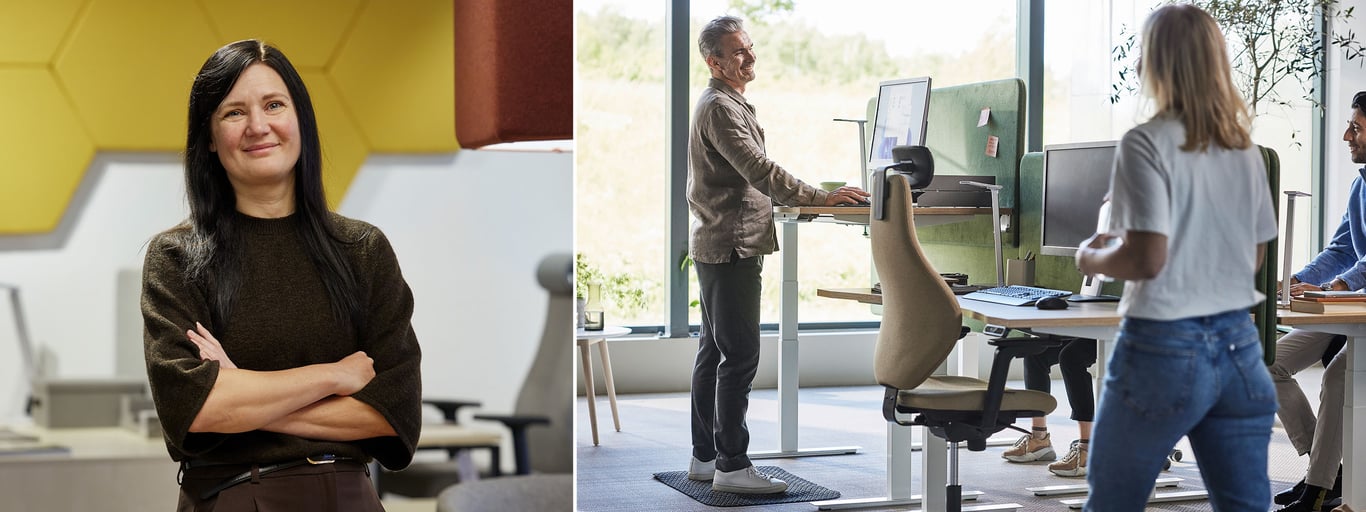
“Healthy, satisfied employees lead to better results,” says Elisabet Nilsson, Product Manager at AJ Products.
Elisabet Nilsson, Product Manager at AJ Products. alongside an image of colleagues standing by their ergonomic desks
An uncomfortable chair, a desk that cannot be adjusted, or a work environment with too much noise, distractions and inefficient workflows might seem like minor issues. However, when these problems arise day after day, they can affect concentration, efficiency, employee well-being and, ultimately, business performance.
“If an employee loses just a few per cent of their efficiency each day, the cumulative cost can quickly outweigh the investment in a better working environment,” says Elisabet Nilsson, Product Manager at AJ Products.

A cheap solution can become expensive  
When reviewing workspaces, many businesses can focus on the purchase price. It's an obvious expense that's easy to see and compare. What is much harder to measure is the impact of inefficient working practices, unnecessary movements, workplace disruptions and physical strain on overall productivity.
The effects go beyond everyday frustration. Frequent interruptions, poor posture, excessive noise and a lack of space for focused work can all affect concentration, job satisfaction and performance. If these issues contribute to employee absences, further costs can arise from arranging cover, training replacement staff and lost productivity.
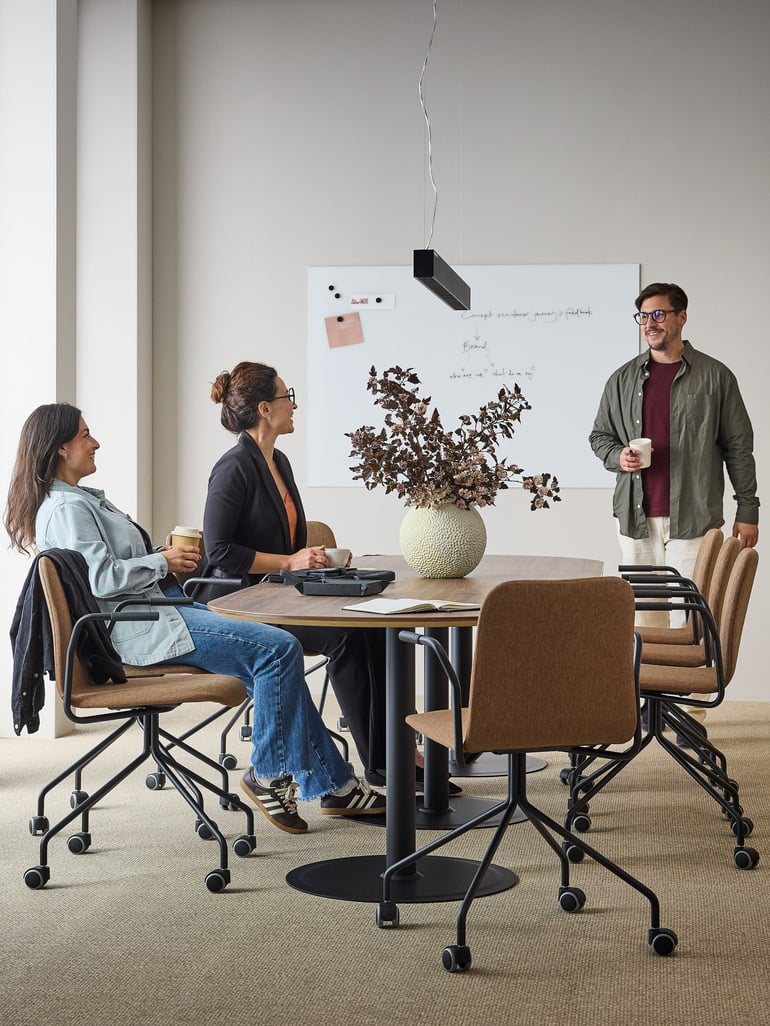
a comfortable, modern boardroom where a meeting is taking place amongst happy colleagues with furniture by AJ Products Ireland
“Many people probably just accept that ‘this is how things are’. They may not always realise that everyday frustrations can have long-term consequences. Time spent searching for the right materials or equipment, or meetings that fail to go as planned, also comes at a price,” says Elisabet.
Research from Linköping University suggests that just over half of the productivity loss associated with sickness absence occurs while employees are still at work, either before or after taking sick leave, rather than during their absence. This highlights how much productivity can be lost through reduced performance in everyday work, when people continue working despite pain, fatigue or difficulty concentrating and cannot perform at their usual level.
“Ergonomics is an important part of the solution, but you need to look beyond the purchase price,” she says.

Why buying cheap isn't the best option
Many businesses focus on direct costs because of how budgets are structured. Equipment prices are easy to identify, record and compare, while the impact of inefficient workflows and lost productivity is much harder to measure.
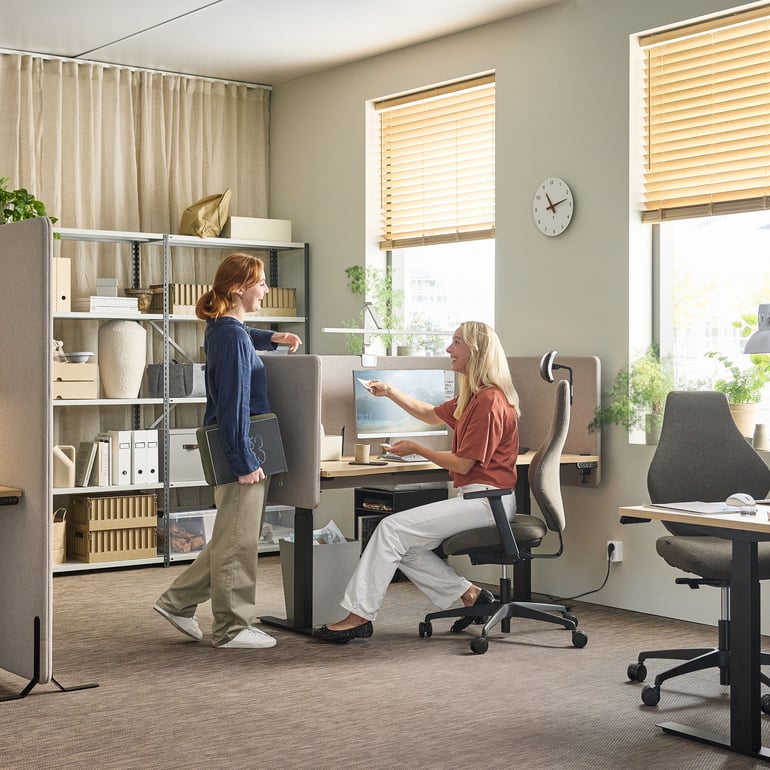
office employees chatting in a relaxed, modern office setting, furnished by AJ Products

"You measure the cost of equipment, but many companies don't measure the path leading up to productivity loss or what it costs to train new staff" she says.

This can make a low-cost solution seem like the most economical choice, even if it ends up costing the business more over time. Instead, Elisabet suggests looking at the situation from a different perspective: what is the real impact of leaving things as they are?

How the right work environment can improve business performance

The aim should be to help employees concentrate, minimise unnecessary interruptions and create better conditions for collaboration and breaks. This can help reduce the small, everyday losses in productivity that gradually add up over time.

"Many companies underestimate how significant the daily work environment is when it comes to attracting people to join them or retaining them and maintaining performance over time" says Elisabet. 

However, creating a better workplace requires more than just buying new furniture. Acoustics, lighting, workflows and access to the right equipment also affect how efficiently people can work. 

"Start by looking at how the workplace actually functions and identifying what causes disruptions or makes everyday tasks more difficult. Talk to employees and try some simple changes first. Better ergonomics, fewer distractions and more variety throughout the working day can make a big difference" she says. 
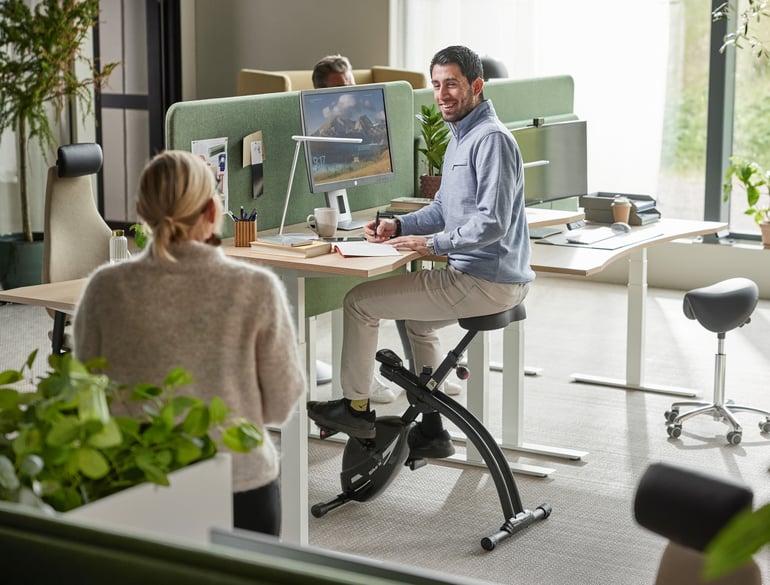
an employee working while pedaling a desk bike and talking to a colleague with a smile in his face