- AJ Products IE
- Get Inspired
- Ergonomics in the workplace
- Furnishing for a Healthier Workforce in the Manufacturing Industry
Furnishing for a healthier workforce in the manufacturing industry
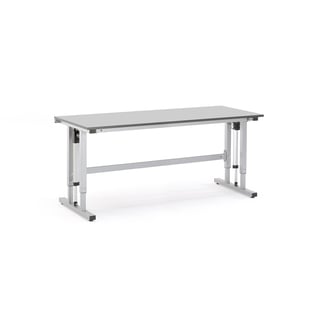
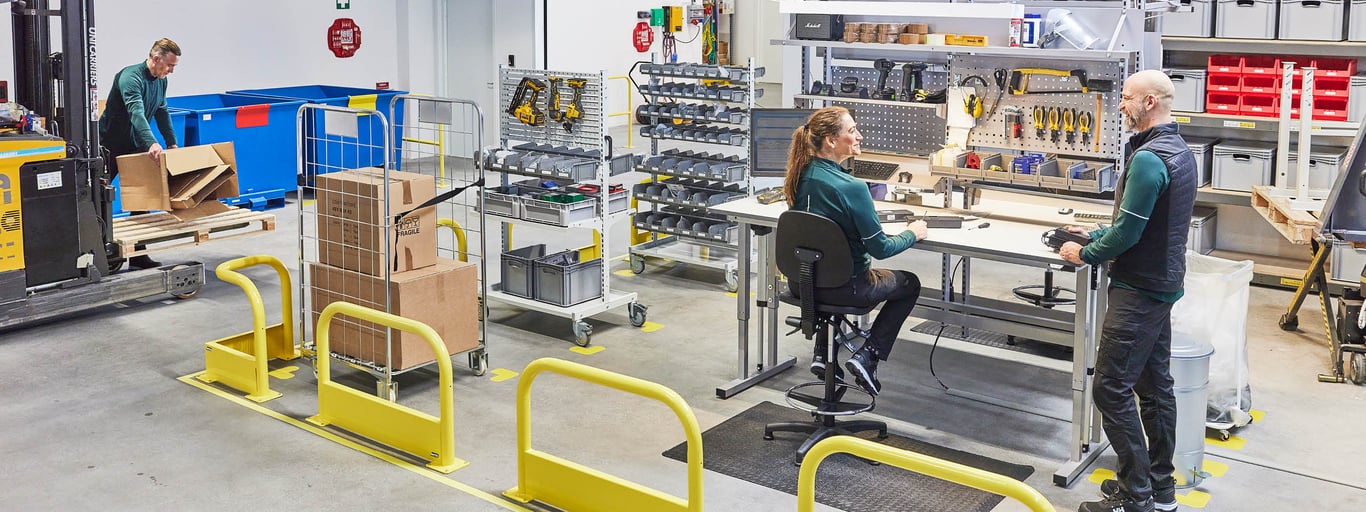
There are several easy ways to help prevent work-related strain injuries. Offering employees the option to switch between sitting and standing, with tools like adjustable workbenches and ergonomic chairs, can significantly improve the physical work environment. Encouraging movement throughout the day - whether sitting, standing or walking - is one of the most effective strategies. You might also consider trying alternative seating options, like a saddle stool, for added comfort and variety.
It could be necessary to adjust the overall layout and flow of the workplace. Organise the space and equipment and make sure there are no bottlenecks in aisles or transport routes, improving both efficiency and safety.
Risk Factors - Lifting and Transporting Goods
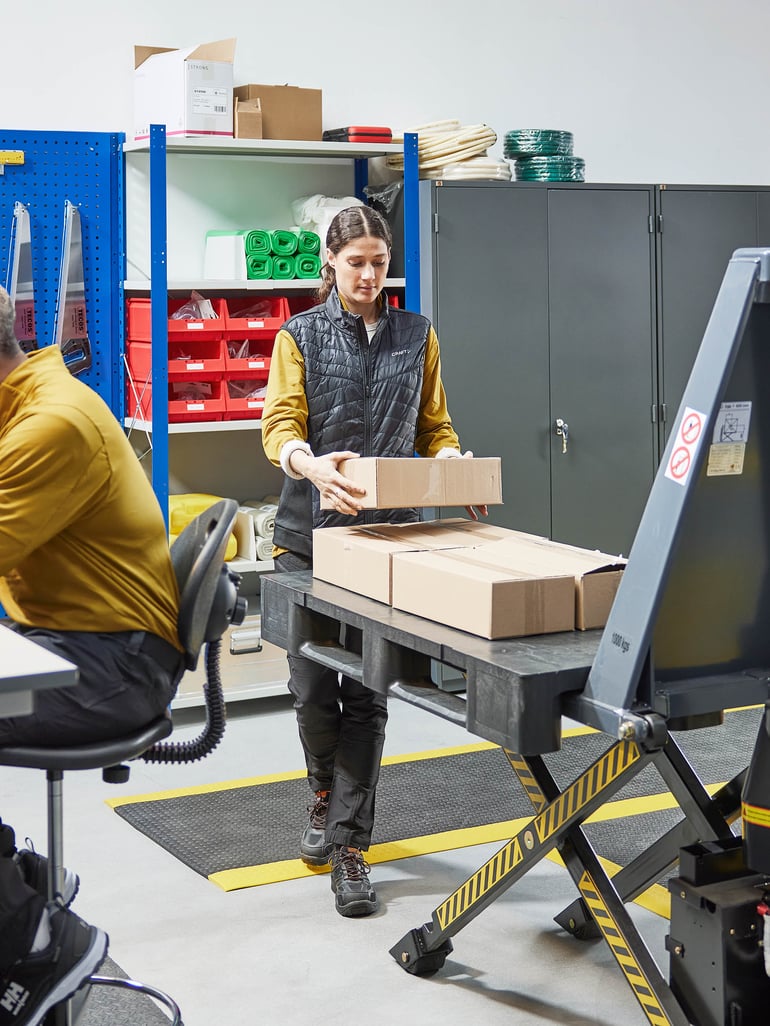
The journey of a product from manufacturer to customer involves a lot of lifting and moving. Whether you're in manufacturing, wholesale,or retail, investing in an ergonomic work environment can make a big difference. In industries where heavy lifting is common, using the right lifting equipment can help prevent strain injuries. Tools like stackers and pallet lifters simplify and streamline the work, while adapted work trolleys can protect your back when moving lighter items.
Ensure that your lifting equipment matches the layout of your workspace and the type of goods you handle. Single wheels are great for lighter loads on flat surfaces and for handling long sides, while pneumatic rubber tyres are better for heavier loads on uneven floors and ramps.
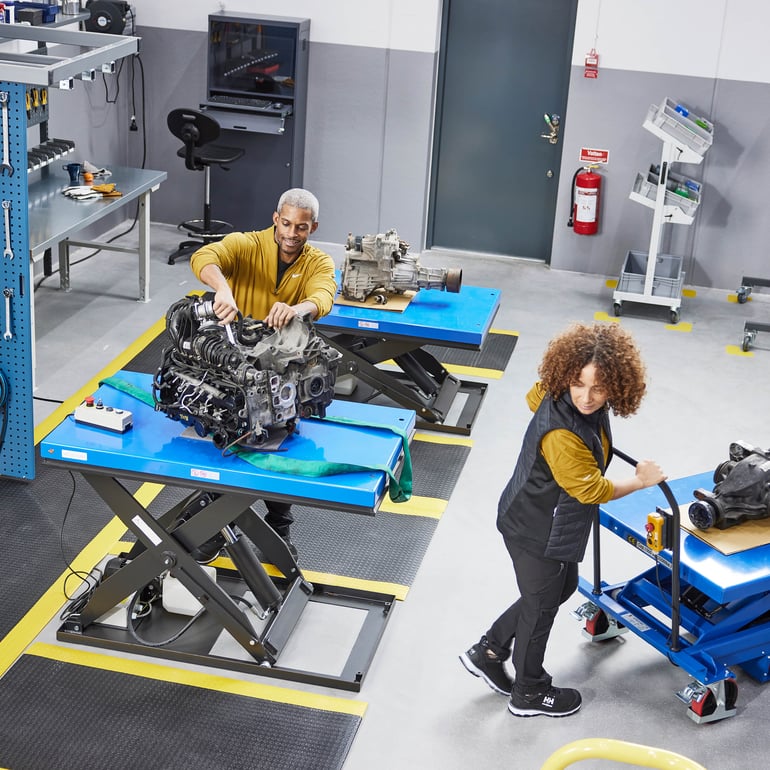
For manual tasks involving heavier items, a sturdy lifting table can be a game-changer. Height-adjustable lifting tables make it easy to optimise working positions for tasks like packaging or assembly. Lift trolleys can serve as relief tables, work tables and transport solutions.
Hard Industrial Floors - taking a toll on knees, joints and back
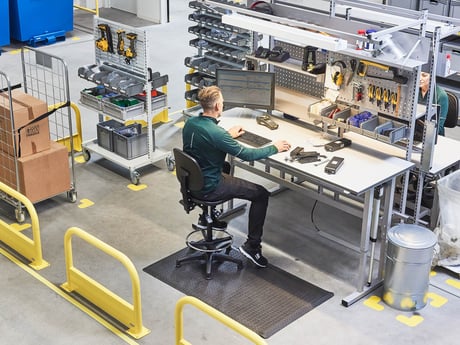
Hard surfaces in workshops and warehouses can be tough on your back, knees, and joints during long periods of standing. To stay comfortable and healthy, it's best to mix sitting, standing and movement throughout your workday. In areas like packing stations or assembly lines, where standing is common, having ergonomic workstations is crucial. Check out our article on how to enhance efficiency with a well-designed packing station.
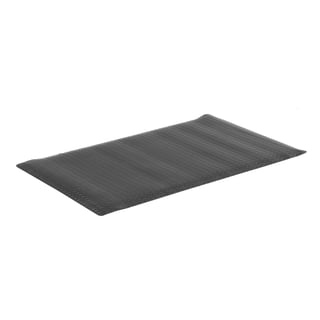
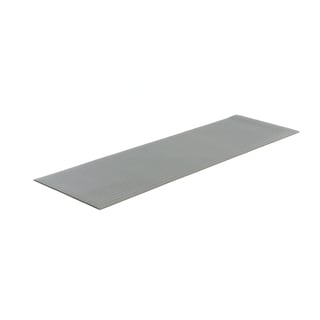
Another way to reduce the strain from standing is by using high-quality anti-fatigue mats. These mats can help relieve pressure on your back, legs, and feet. Look for mats with beveled edges that fit snugly against the floor to prevent tripping hazards.
Advice for Standing at Work
According to the Standing at Work Report from the European Agency for Safety and Health at Work, the prevention strategy should include the following:
- Provide suitable ergonomic workstations and environmental conditions, including an appropriate chair, stool and workstation. For safe and comfortable work, it is important to introduce adjustability (regarding working height, seating, workstations that can be used both standing and sitting, etc.)
- Organise your work to limit standing, balance the tasks to be performed and provide the opportunity to change tasks, breaks if necessary, etc. Give workers sufficient control over how they work, for example giving them opportunities to change how they work and take breaks when needed. It may be appropriate to establish maximum times for standing.
- Introduce additional measures to reduce risks if standing cannot be avoided, such as mats and cushioning insoles.
- Encourage consultation and active employee participation – this is important to all aspects of the strategy.
Follow up on the improvements made
It’s important to review the impact of the ergonomic measures you've taken after a while. Ideally, you’ll see the improvements you expected; if not, it’s time to investigate and address any issues. Once you identify the problem, make sure to resolve it promptly. Remember, creating a truly ergonomic work environment also involves educating employees about proper posture, lifting techniques and more. Regular assessments and risk evaluations are key to maintaining a comfortable and effective workspace.
A pleasent and productive workplace
Creating a pleasant and productive workplace is our passion at AJ Products. We're dedicated to helping you enhance your work environment with products that improve ergonomics and overall comfort. Whether you need to furnish your entire office or just update specific areas, our extensive range of solutions can help you design the ideal workspace, we’re your one-stop shop for better workplaces!
Need help? Ask our interior experts!
We at AJ Products are always available to help you with solutions suited just for your business. Contact us if you have questions on the choice of fabric, need some inspiration or want to know the alternatives that would best suit your premises. We can then tell you more about your choices.FAQ
- Industrial ergonomics is ergonomics applied to industrial environments in the form of ergonomically designed tools and ergonomic workplace furnishings. The goal of ergonomics is to eliminate discomfort and risk of injury due to work.
- A workplace that is adapted so that the employees do not strain their bodies unnecessarily can be called ergonomic. It is a workplace that modifies the work to fit the worker, not the other way around. This is achieved with the help of, among other things, adequate lighting, adaptable workstations and correct lifting aids.
- Stress and strain injuries can be reduced and even avoided entirely through knowledge of correct working postures and through access to an ergonomically adapted work environment.
- An investment in ergonomic equipment can help reduce sickness absence and work-related injuries. Looking after employees health and wellbeing will help to retain staff and reduce turnover. The profit will be both financial and health-wise for both employers and employees.
- Stress and strain related disorders involve deterioration of body structures such as muscles, joints, tendons, ligaments, nerves, cartilage, bones and the localised blood circulation. Often the sufferer experiences muscle pain in places such as shoulders, neck and shoulders, hips, legs, knees and feet.
- There are three main types of ergonomics. Physical ergonomics is about the design of work tools, equipment and lifting/loading. Cognitive ergonomics refers to the presentation and processing of information. Organisational ergonomics focuses on processes within the organisation.