- AJ Products IE
- Get Inspired
- Ergonomics in the workplace
- Elbow Pain at Work: Causes, Symptoms and Solutions

Elbow Pain at Work: Causes, Symptoms and Solutions
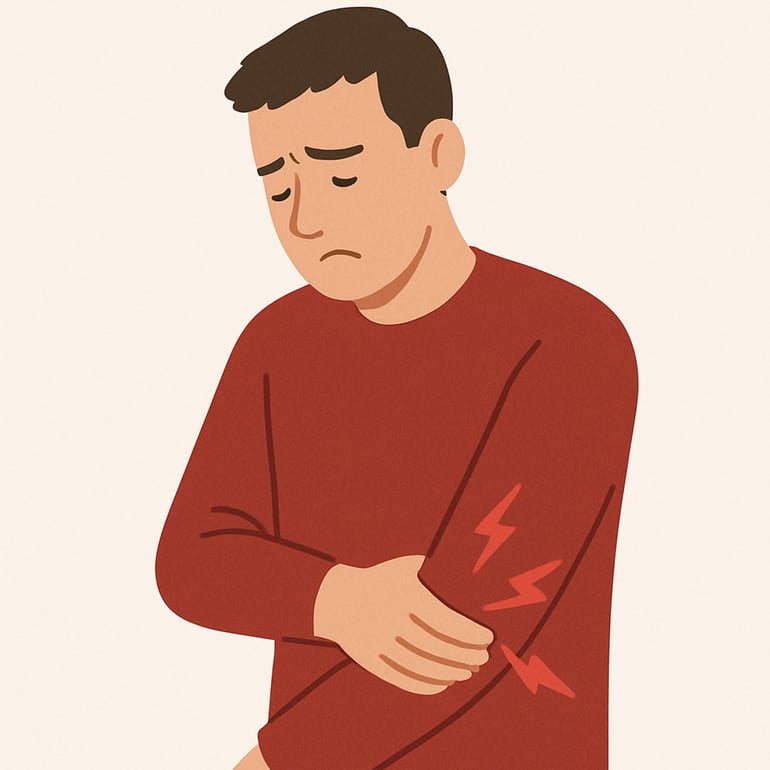
Why does my elbow hurt?
There are many factors that can contribute to elbow pain, and it can occur in all sorts of jobs. Whether you have a sedentary office role or a more physical job that involves manual work, discomfort is often linked to some form of overexertion or strain. Here we look at possible causes – depending on the type of work you do.
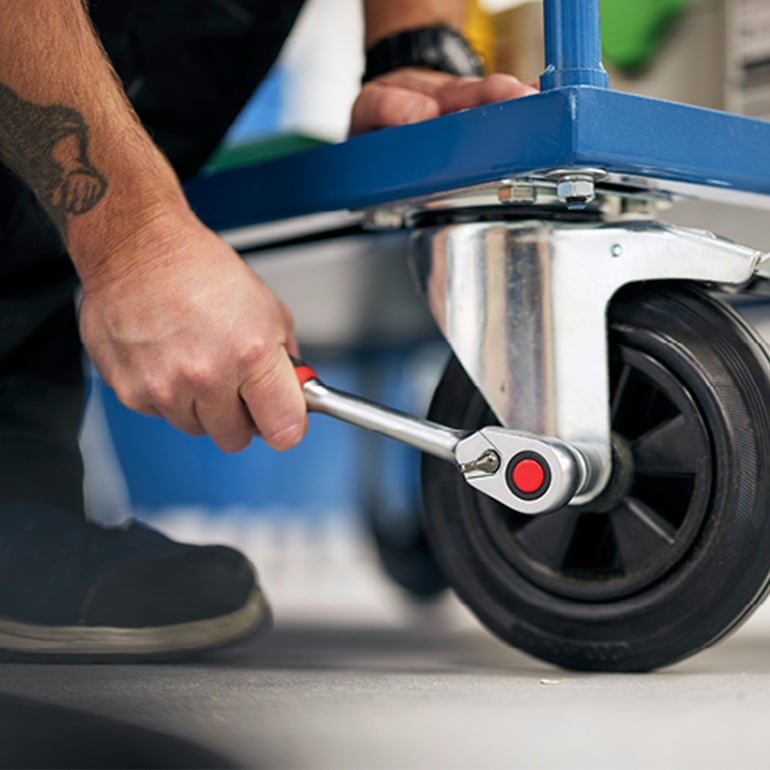
Warehouse, workshop and industry

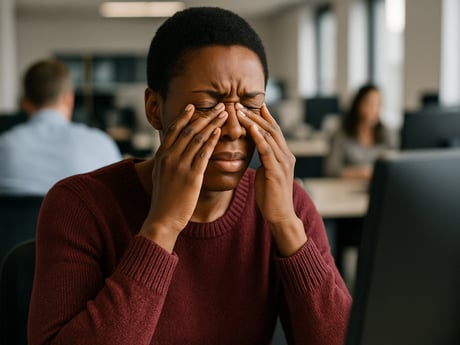
Office work
Common symptoms of all elbow pain:
- Aching and stiffness
- Feeling of fatigue in the arms and shoulders
- Tenderness and sensitivity to pressure
- Weakness when gripping
- Stiffness and difficulty fully straightening the arm
- Swelling in or around the elbow joint
- Discomfort that may radiate down the forearm and into the wrist
- Difficulty gripping, lifting, or rotating the forearm
Types of elbow pain
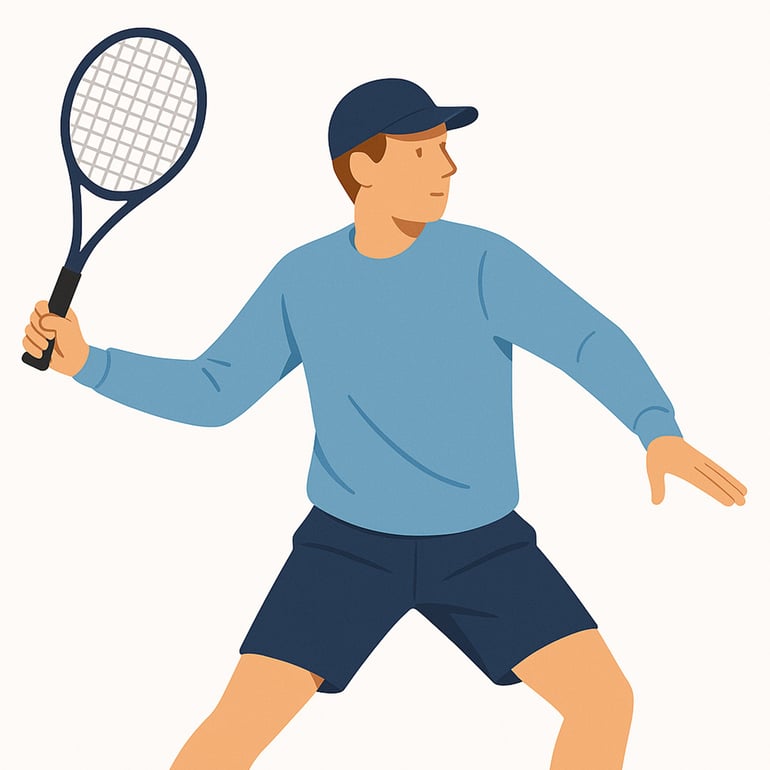
Tennis elbow (lateral epicondylitis)
Despite its name, tennis elbow can develop even if you have never played tennis. It affects the tendons that attach to the outer side of the elbow and may cause pain when gripping larger objects or when twisting the forearm. The condition often develops gradually over time, but it can also occur suddenly after periods of intensive, repetitive activity.
Golfer's elbow (medial epicondylitis)
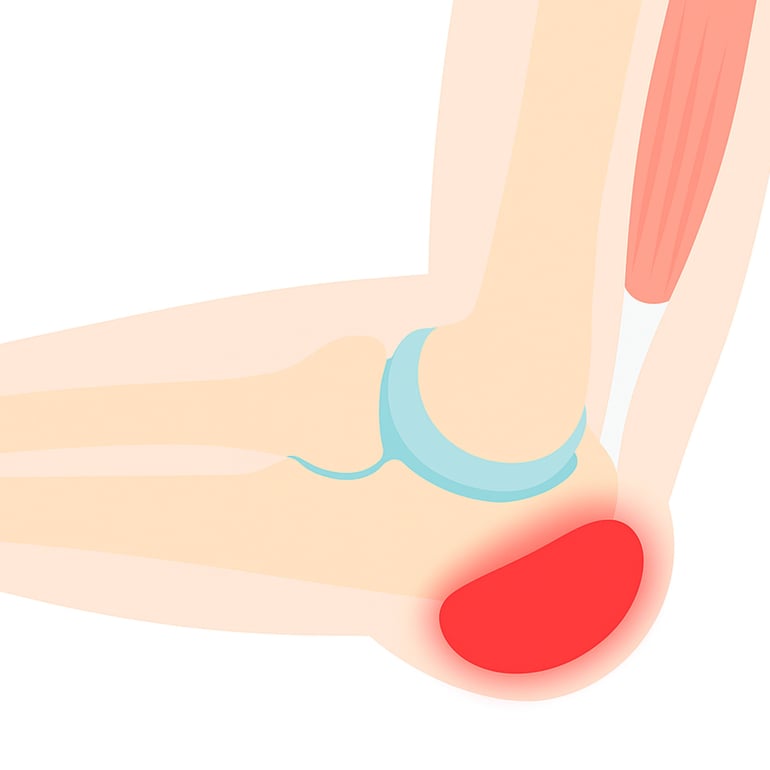
Inflammation of the bursa (bursitis)
Ulnar nerve compression (carpal tunnel syndrome)
If your pain is severe or persistent, you should always seek professional medical advice.
What can you do yourself to manage elbow pain?
- Rest: Avoid movements or activities that make the pain worse.
- Cold/heat: Applying a cold pack or gentle warmth can help reduce discomfort.
- Pain relief: Over-the-counter painkillers or anti‑inflammatory tablets may provide relief.
- Exercise and physiotherapy: Gentle exercises, guided by a physiotherapist if needed, can strengthen the muscles and support recovery.
- Shockwave therapy: Sometimes used for long‑lasting (chronic) golfer’s elbow.
- Elbow support/splint: Braces or supports may help reduce strain on the tendons and muscles.
- Cortisone: In certain cases, a cortisone injection may be necessary
Make activity easier with the right equipment
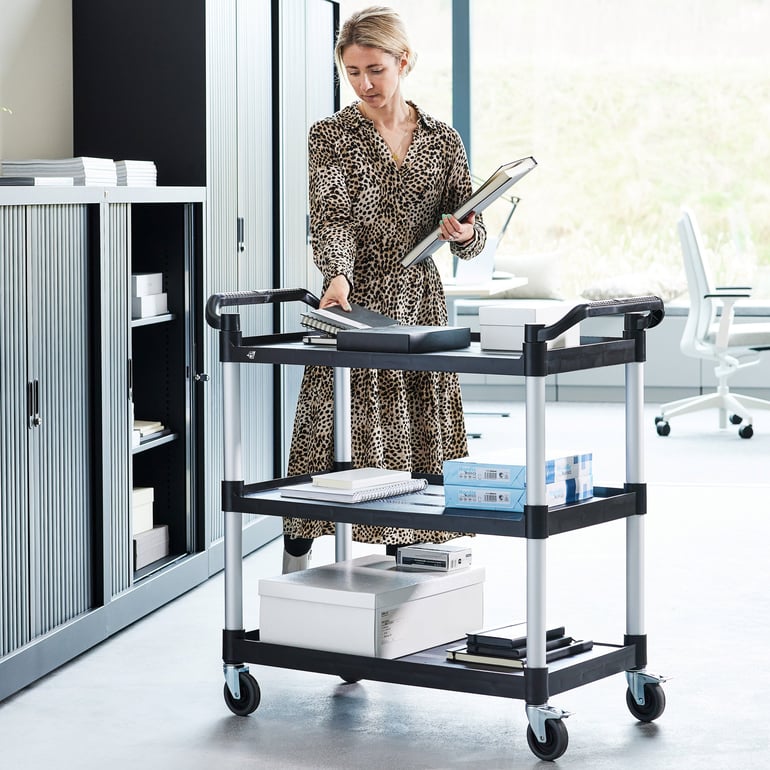
Smart handling: Choosing a trolley over carrying
Try to avoid carrying items unnecessarily and use a trolley instead to make transport easier. A trolley means you don’t need to walk with your hands full, helping to reduce strain on your body and avoid unnecessary discomfort or fatigue. We offer a range of trolleys to suit different settings, including offices, canteens, workshops, and warehouses
Forearm support
A forearm rest is a simple way to help keep your arms relaxed on the desk while you work. Just as with preventing mouse arm, it's important to support your forearms when sitting at a computer for long periods. Using a height-adjustable desk can also help you achieve a more comfortable and correct arm position in relation to the tabletop.
Packing benches

Lifting equipment
Tip! Don’t forget the importance of “everyday ergonomics,” whether you’re at work or not. Try to vary your working position, swap hands during repetitive tasks where possible, take regular breaks to rest your elbows, and include simple stretching exercises for your forearms.
Summary
FAQ
- Golfer's elbow, also known as medial epicondylitis, is sometimes referred to as "false tennis elbow". The key difference between the two conditions is where the pain occurs: golfer’s elbow affects the inner side of the elbow, while tennis elbow causes pain on the outer side.
- It’s common for the area around the elbow joint to become swollen and tender to the touch. The elbow may also feel painful when you bend or strain it, and in some cases the joint can become warm and red.
- The ulnar nerve is one of the large nerves that runs down to the hand from the outside of the elbow. It is this nerve that can cause a lot of pain even if you don't hit your elbow very hard.
- A pinched nerve can be felt in several ways, including tingling or a pins-and-needles sensation, pain, muscle weakness in the affected area, and numbness or a reduced sense of feeling. This occur because the nerve is compressed or irritated, which affects its function.
- Osteoarthritis in the elbow often causes pain, reduced mobility, swelling and and a grating or crackling sensation known as crepitus. It happens when the cartilage - which normally cushions the bones in the joint - wears down, causing the bones to rub directly against each other. This can lead to joint stiffness, pain with movement or after rest, and sometimes swelling around the elbow.