- AJ Products IE
- Blog
- Work environment
- How to design a classic office
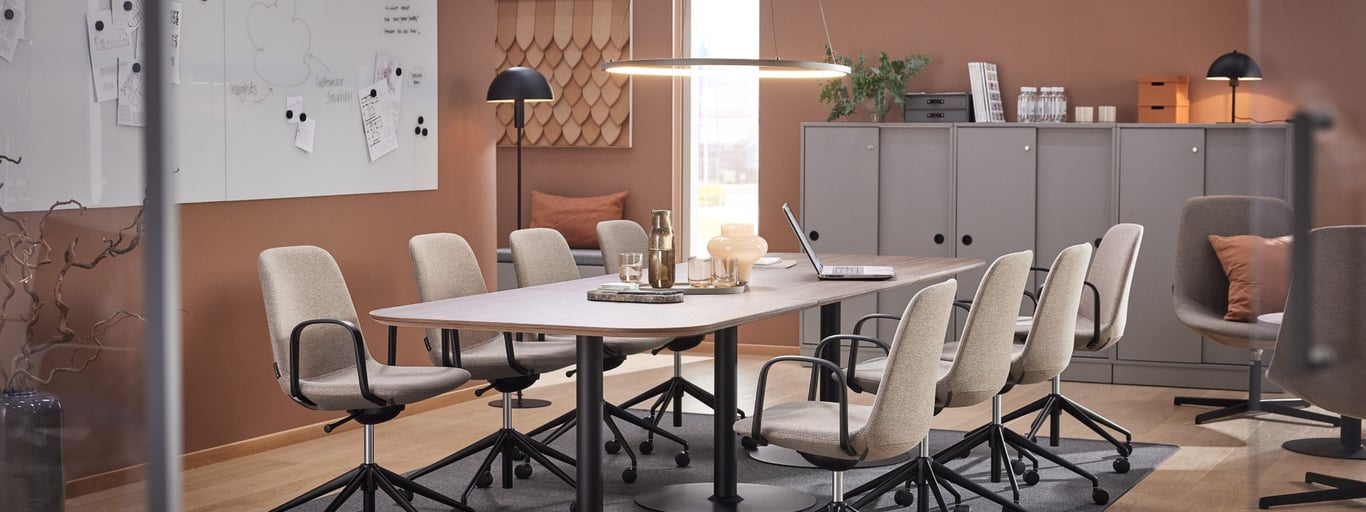
How to design a classic office
A well-designed classic office balances appearance and function. Everything has a purpose, and the overall environment supports focus, organisation and everyday comfort.
Choose office desks with enough space
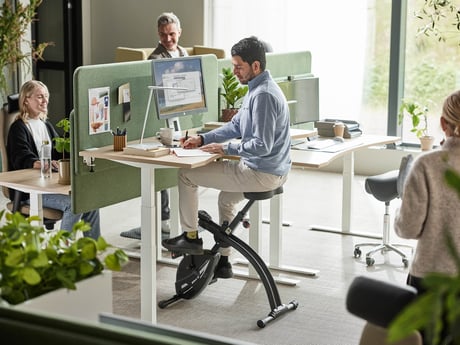
In a classic office, desks should be practical above all else. Employees need enough surface space to work comfortably without feeling cramped or cluttered. Spacious desks make it easier to organise equipment, paperwork and screens in a logical way. Neutral finishes such as light grey, beige or natural wood tones help create a calm and professional look that won’t date quickly. Where possible, height-adjustable desks are a good addition, allowing employees to vary their working position throughout the day while maintaining a traditional appearance.
Prioritise comfort and ergonomics
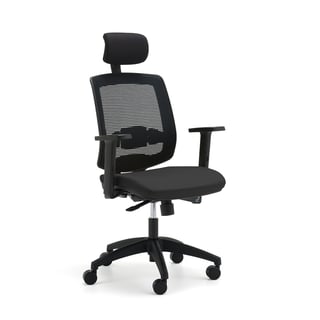
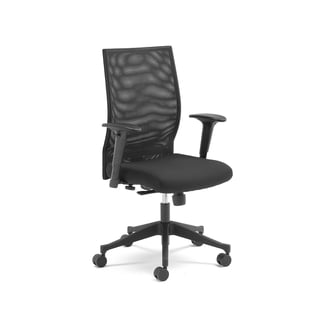
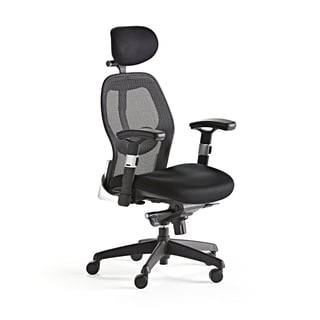
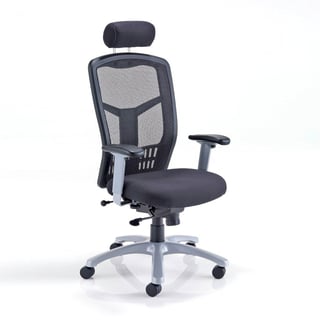
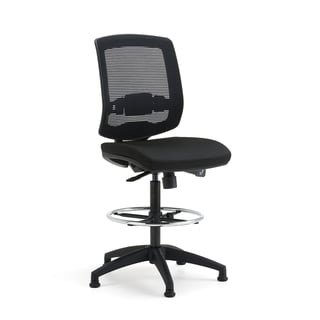
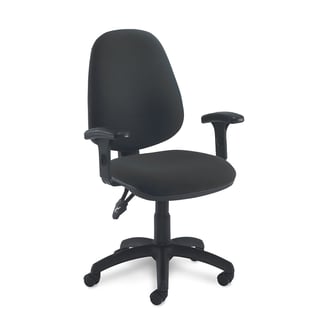
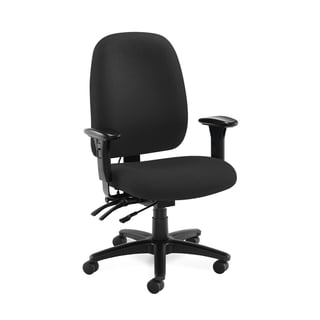
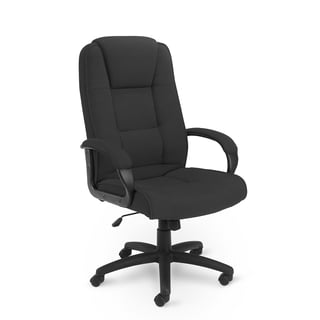
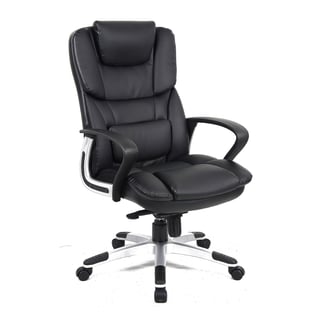
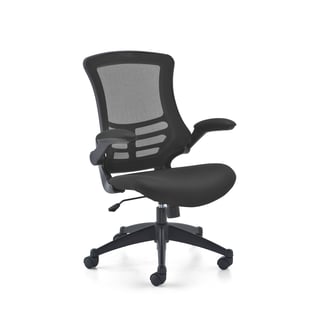
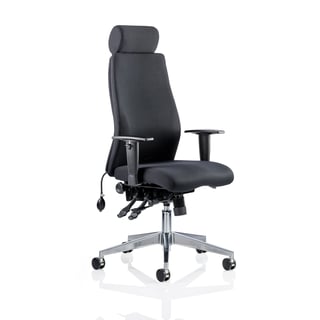
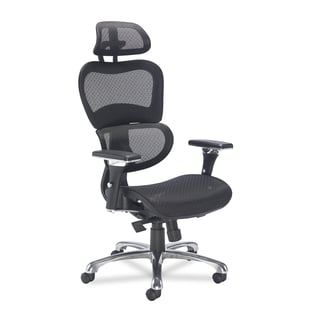
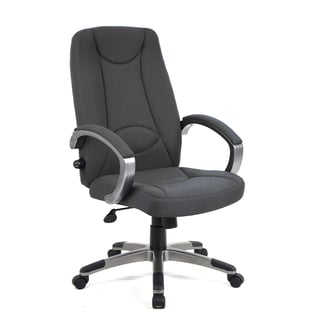
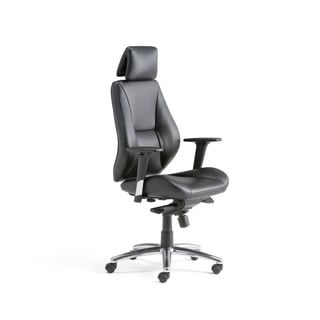
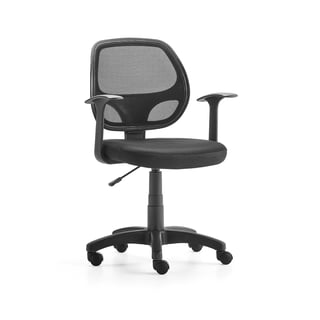
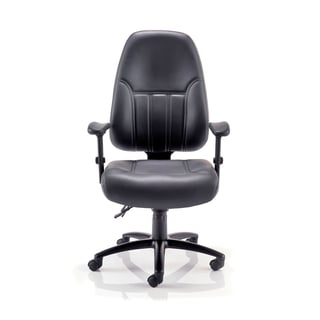
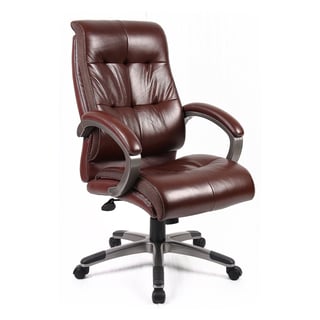
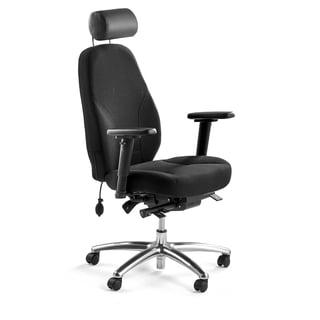
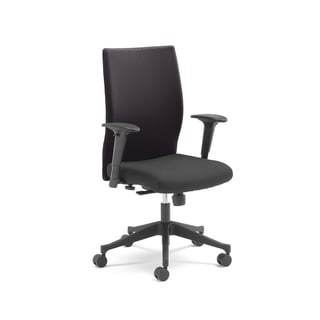
Classic does not mean outdated. Comfort and ergonomics are just as important as style. Office chairs should offer proper support and simple adjustment options so employees can sit comfortably for long periods. Good ergonomics help reduce strain and fatigue, making it easier to stay focused during the working day. Furniture choices should always support how people actually work, not just how the office looks.
Keep the office organised with practical storage
A tidy office is a key feature of classic design. Sufficient storage makes it easier to keep desks clear and the workspace organised.
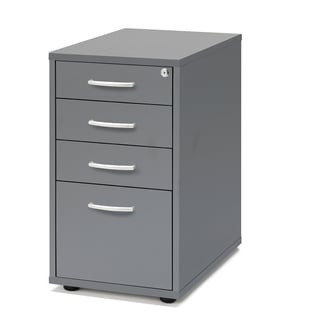
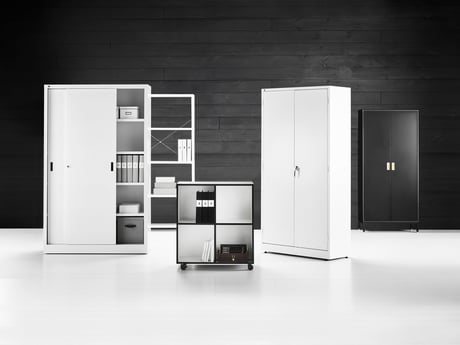
Drawer units placed under or beside desks allow employees to store documents and everyday tools close at hand without cluttering their workspace. Larger storage cabinets provide space for files, stationery and shared items.
A mix of open and closed storage works well. Closed cabinets hide paperwork, while open shelving can be used for books, awards or subtle decorative items. This helps the office feel organised without looking sterile.
Make sensible use of wall space
Walls in a classic office should support work, not distract from it. Simple, functional additions such as noticeboards or wall mounted writing boards allow teams to share information, track tasks or display reminders. These tools keep important details visible without overwhelming the space.
By keeping wall accessories purposeful and minimal, the office remains calm, tidy and easy to work in.